Why Does a 3D Render Look Unrealistic? 6 Key Elements That Make Images Feel Natural
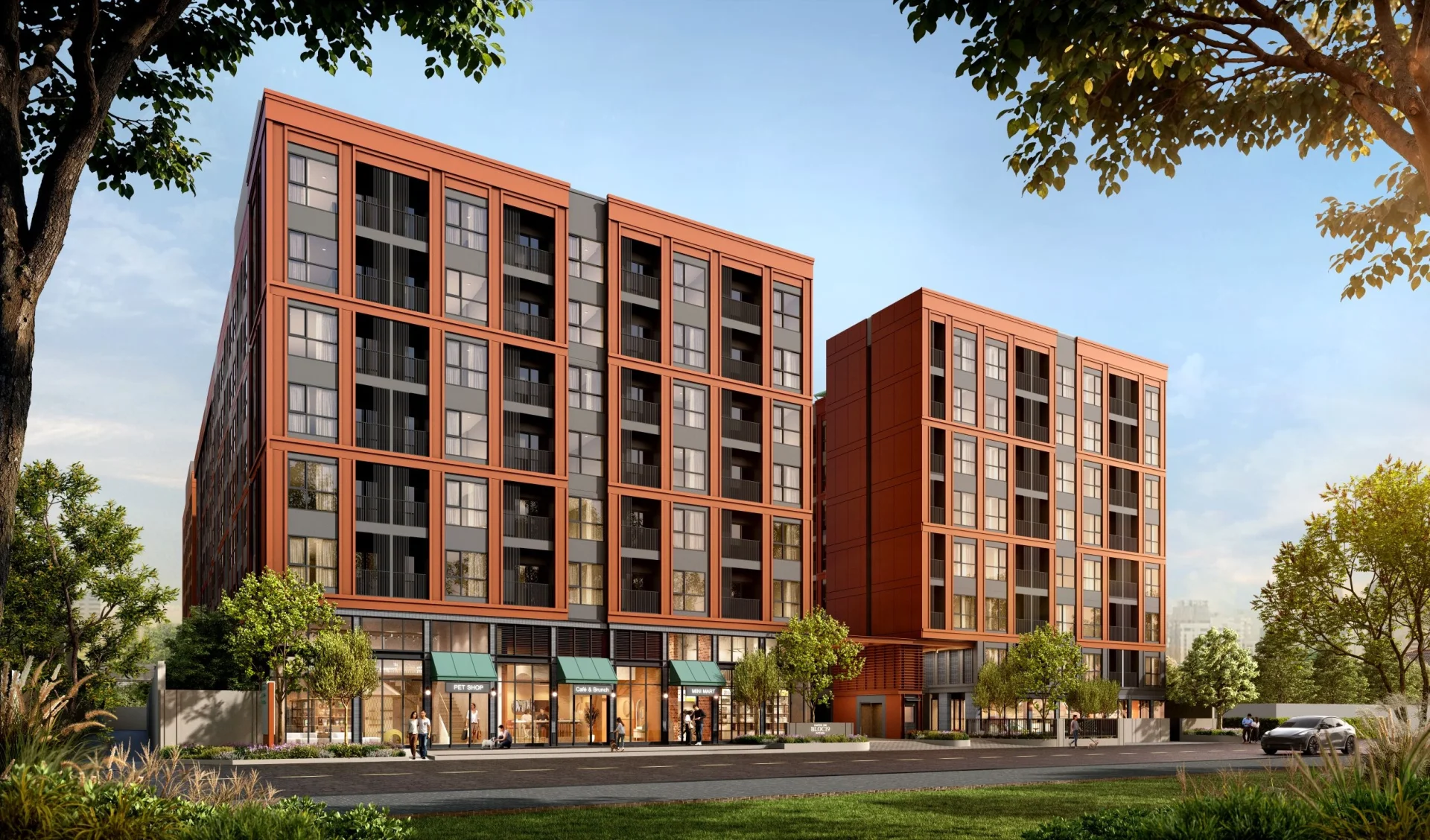
6 Elements That Make a 3D Render Look Realistic
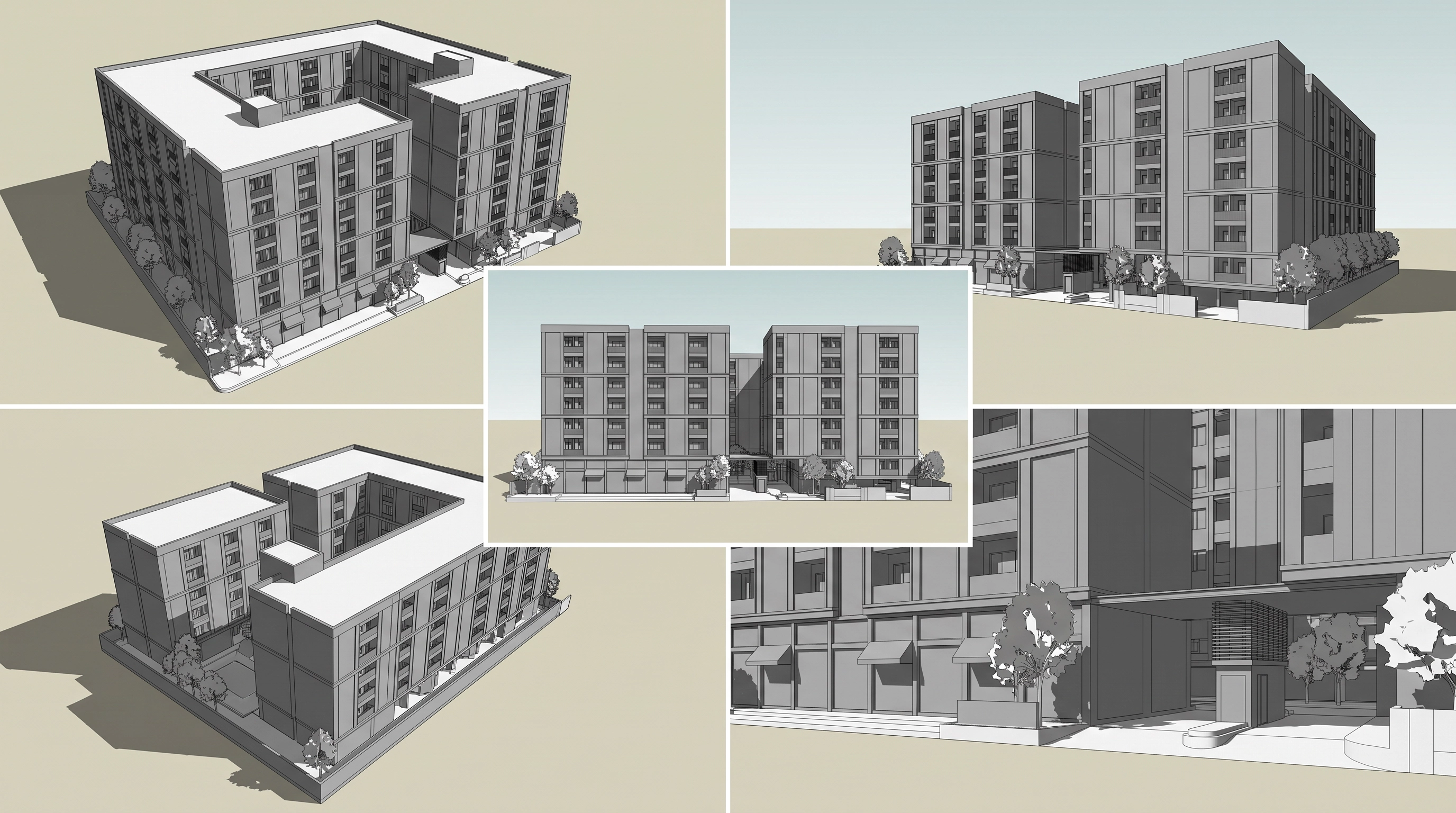
1. Camera: The Starting Point of Every Image
Before getting into details, the first thing to decide is the point of view. The right camera setup determines how the building and its surroundings are presented, including perspective, distance, camera height, and the proportions of elements in the frame. A good camera angle is not necessarily the one that shows the most architectural detail. It is the one that clearly communicates the project’s architecture and lifestyle. For example:- Exterior: choose an angle that shows both the architecture and the landscape
- Interior: choose an angle that makes the space feel open and connected
- Common areas: choose an angle that shows how the building relates to the spaces people use
Choosing a camera angle is about more than finding a “beautiful” view. It is about choosing the one that fits the story you want to tell.
2. Lighting: Setting the Mood of the Image
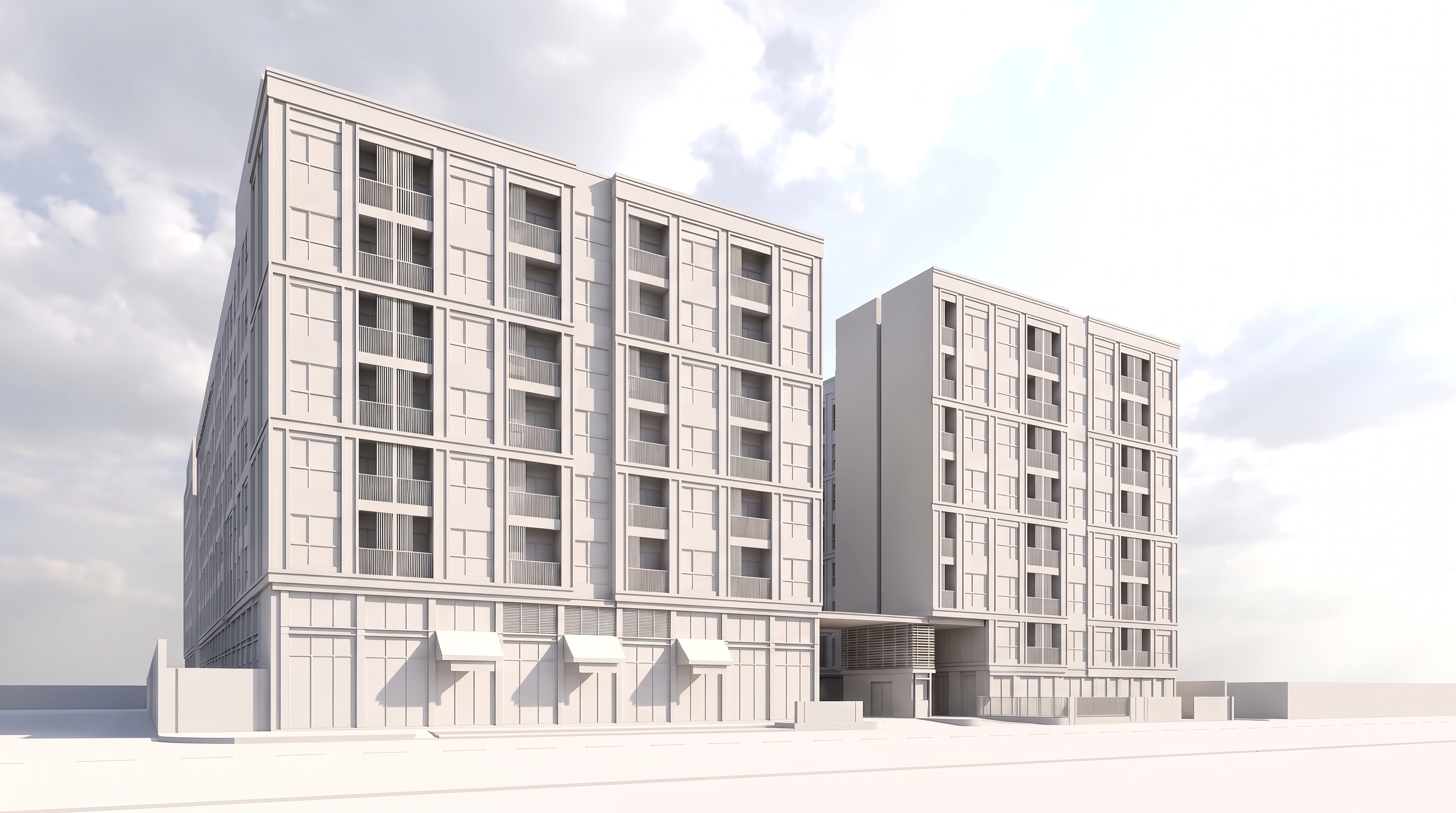
Light has a major effect on how an image feels. Even for the same building, changing the light direction, time of day, or intensity can create a completely different impression. For example:- Daylight: shows the architecture, form, and details clearly
- Golden Hour: creates a warm atmosphere and evokes lifestyle
- Twilight: highlights the building’s lighting design and adds depth
The goal is not to pick the “prettiest” light, but the light that suits the project’s character and the purpose of the image.
3. Material: Surfaces Must React to Light Naturally
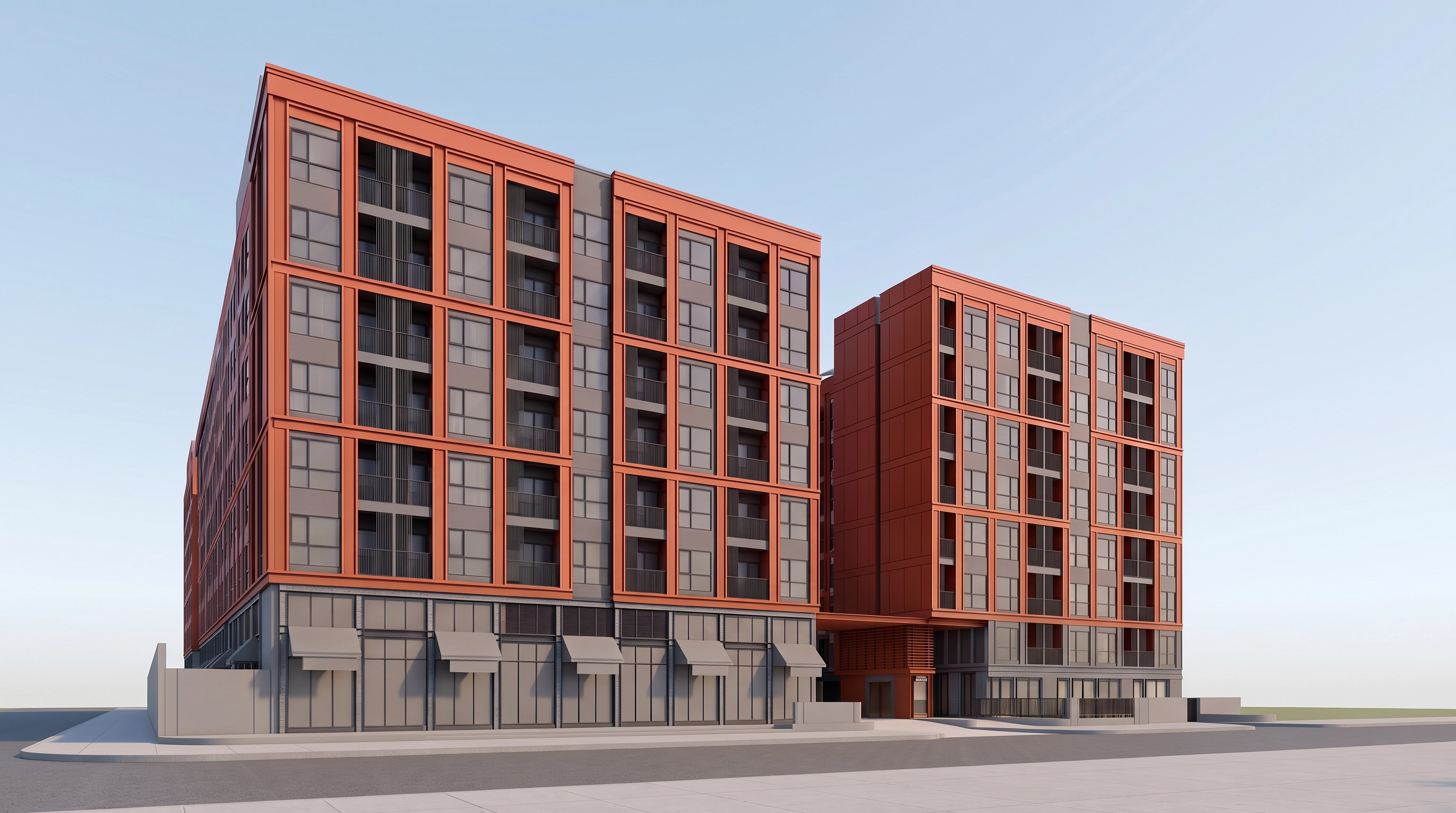
Materials in a render do more than define the color of a floor, wall, or piece of furniture. They also need to reflect the properties of real materials, such as:- Roughness and smoothness
- Level of reflection
- Transparency
- Light response
- Texture and surface detail
Natural stone, for example, varies in color and texture from slab to slab, while glass reflects its surroundings. These small details add variety to surfaces and make the image feel more natural.
4. Reflection & Shadow: Creating Depth and Realism Through Light and Reflection
Reflection and shadow are essential elements that make a render feel more realistic and dimensional. They not only communicate the properties of different materials but also establish a natural relationship between objects and their surrounding environment.
Reflections on materials such as glass, stainless steel, polished stone, glossy surfaces, and swimming pool water help objects blend naturally into their environment. Meanwhile, shadows cast by buildings, trees, furniture, and other elements help communicate position, distance, and spatial depth.
The key is to ensure that reflections and shadows are consistent with the direction of light, the characteristics of each surface, and the surrounding environment. When these elements are not properly aligned, objects may appear disconnected from their surroundings, making the overall image feel flat or unnatural.
Rather than serving as purely decorative details, reflection and shadow work together to connect objects, light, and space. When handled correctly, they create a more cohesive and convincing visualization that closely resembles real-life photography.
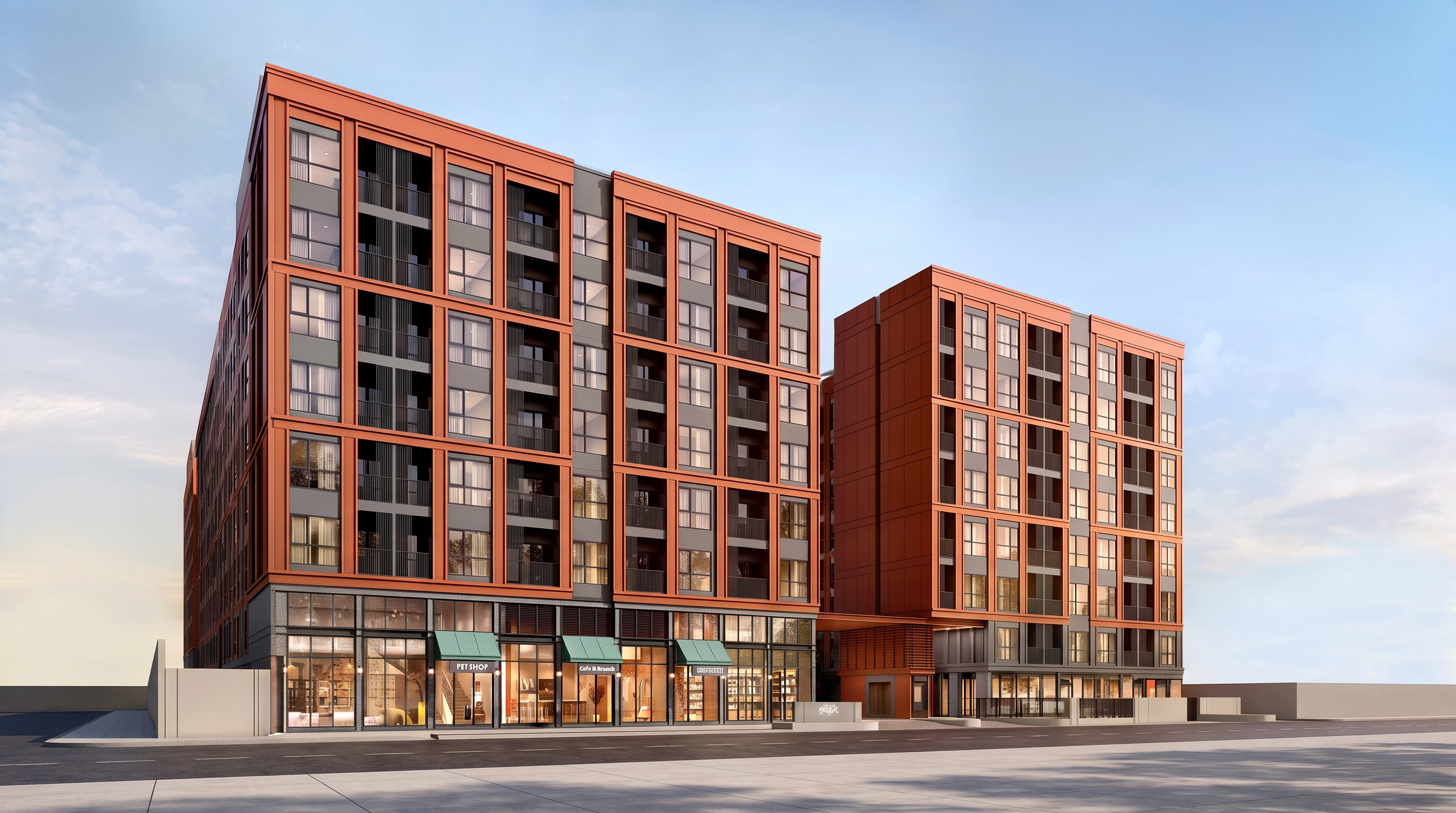
5. Landscape: More Than Green Trees
In real estate visualization, landscape does more than fill empty space. The species, size, shape, and placement of vegetation should relate to:- Architecture
- Location
- Climate
- Landscape design
- Season
- Project scale
A varied mix of plants, arranged without obvious repeating patterns, makes the space feel alive and closer to a real environment.
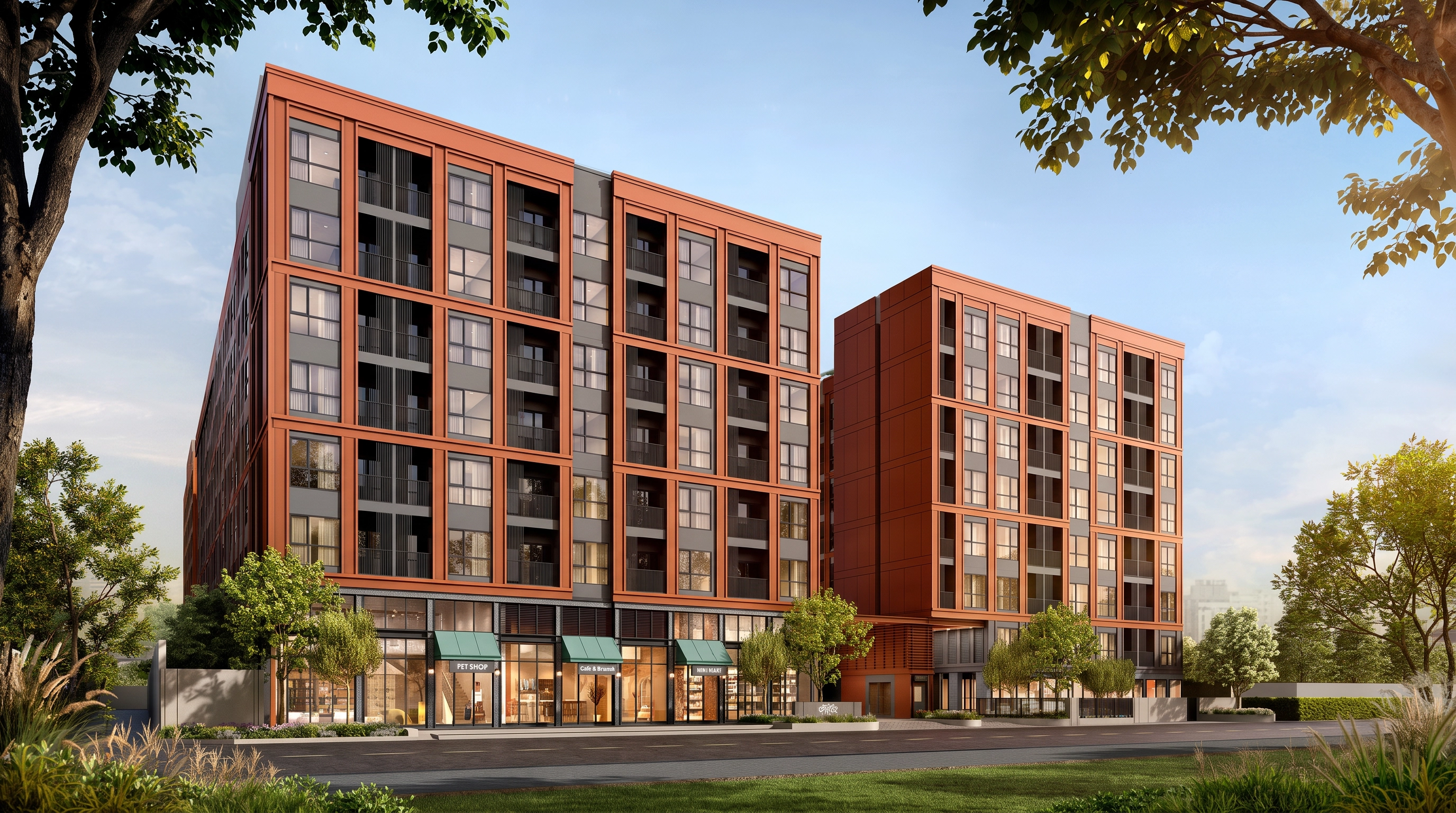
6. People & Environment: Bringing Spaces to Life
The realism of a render is not defined by the architecture alone. People and surrounding environmental elements also play an important role in helping viewers understand the space and imagine how it would function in real life.
Adding people helps communicate the scale of the architecture and its surrounding spaces. For example, people walking along a pathway or using communal areas allow viewers to better visualize how the space might be experienced once the project is completed. Choosing the right characters, clothing, poses, and activities is essential to ensuring they align with the project's context and intended lifestyle.
At the same time, environmental elements such as the sky, roads, vehicles, surrounding buildings, trees, street furniture, and signage help establish a realistic sense of place. These details provide context and connect the architecture with its surroundings, making the entire scene feel more natural and believable.
The key is not to add as many people or details as possible, but to select the right elements and ensure they work together in terms of scale, perspective, lighting, and mood. When everything feels consistent, the result is a more convincing visualization that allows viewers to connect with the space and experience its intended atmosphere.
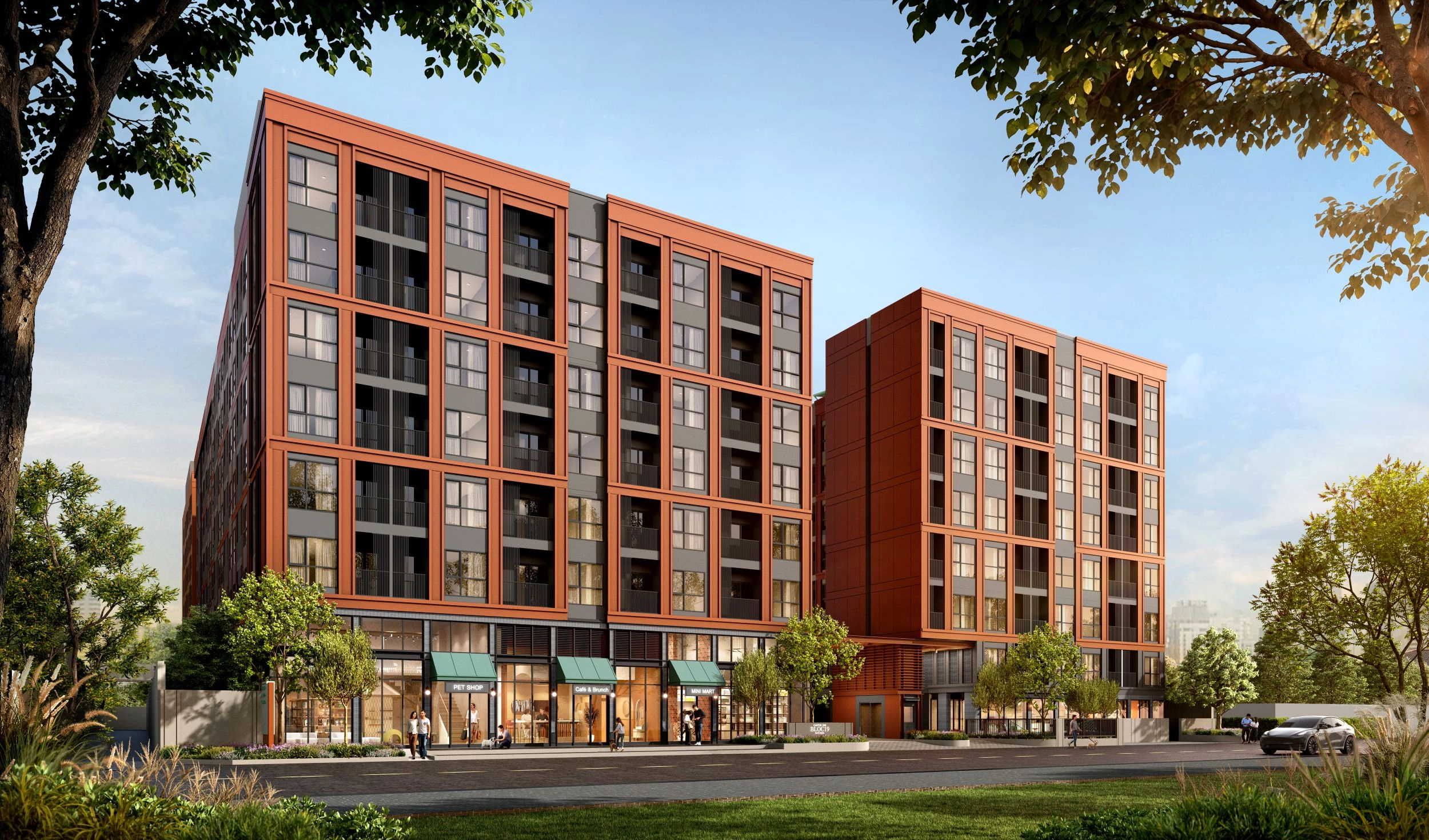
Conclusion: What Makes a 3D Render Truly Realistic?
Taken together, realism does not come from any single element. It comes from the relationship between Camera, Lighting, Material, Reflection, Shadow, Landscape, People, and Environment, all working in the same direction.
3D Visualization is therefore not just about making a building “look real.” It is about creating images that help viewers see the place and the experience that is yet to come.
For Real Estate Visualization, we believe a good image should do more than present the architecture. It should convey the project’s space, atmosphere, lifestyle, and character. In the end, a good render is not simply one that “looks like a photograph.” It is one that lets viewers imagine the real place.
Looking for a 3D render team that understands both design and marketing? Talk to 3DOJ Studio about realistic Architectural Visualization that helps your project connect with buyers. [Contact link]